Diagnosis before parts
Thermostats, heating elements, gas control valves, igniters, thermocouples and dip tubes all cause similar symptoms. The unit gets tested rather than parts being swapped hopefully.
No hot water, not enough of it, or a puddle under the tank. Independent plumbers work on both tank and tankless units; ask whether yours is worth repairing, and get the price for either path before work starts.
If you can see water coming from the body of the tank, shut the cold water supply valve at the top of the heater and turn off its breaker, or its gas valve, but only if the control is easy to reach and you are not standing in water. Leave anything involving the gas line, the burner assembly or the relief valve to the plumber.
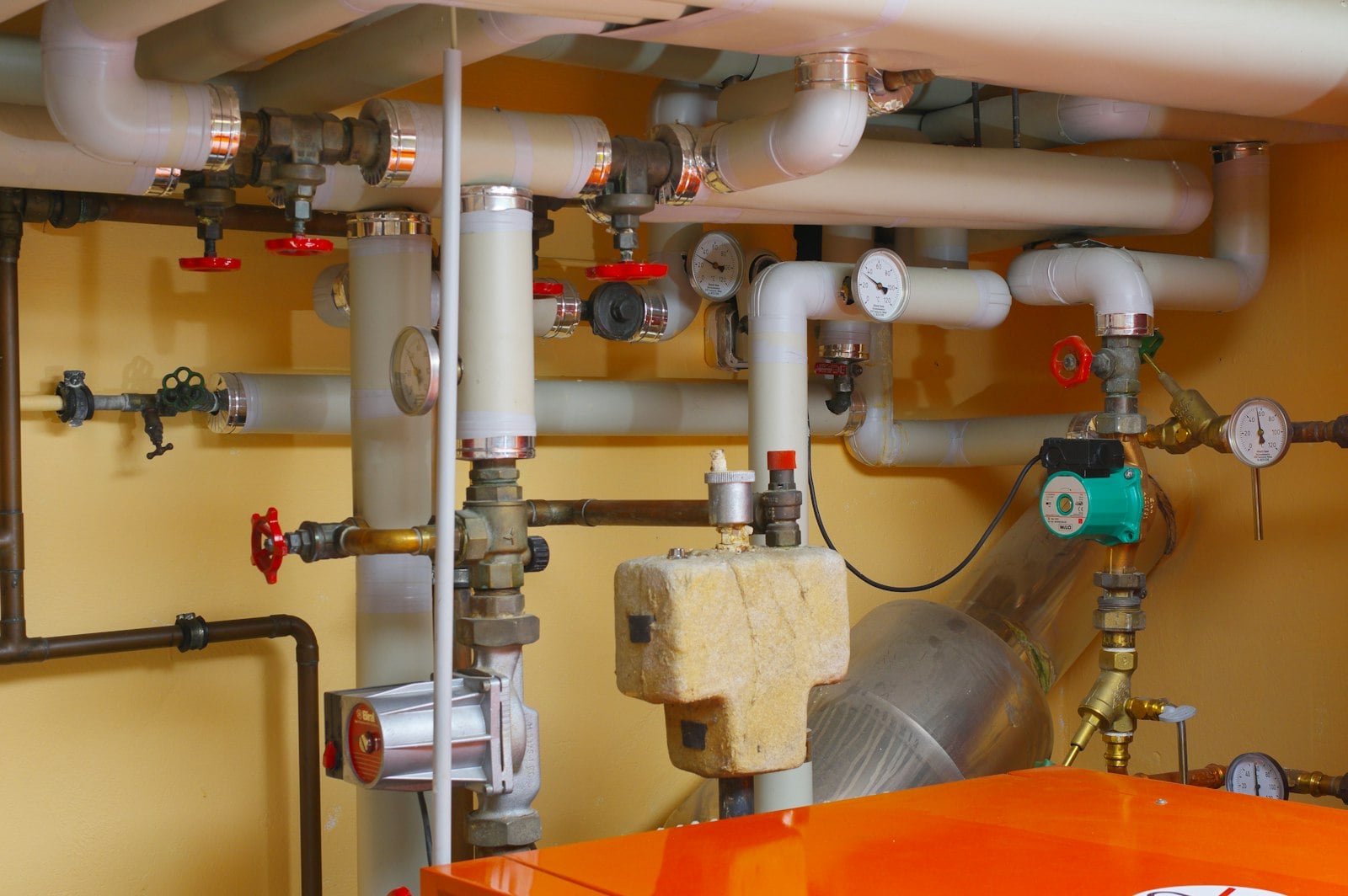
Dallas water is hard, and hard water is rough on water heaters. Scale and sediment settle in the bottom of a tank and coat the elements or the heat exchanger in a tankless unit, which is behind a large share of water heater problems in this area.
Thermostats, heating elements, gas control valves, igniters, thermocouples and dip tubes all cause similar symptoms. The unit gets tested rather than parts being swapped hopefully.
Flushing a tank that has filled with sediment, or descaling a tankless heat exchanger, often restores capacity that seemed to have disappeared for good.
The temperature and pressure relief valve, the expansion tank, venting and the shutoff valve are inspected while the plumber is there, because those are the parts that matter when something goes wrong.
If the tank itself is leaking or the unit is old enough that the repair does not make sense, you will be told that plainly instead of paying for a repair twice.
The short version: if the tank body is leaking, it is done, because the steel shell cannot be repaired. Almost everything else is a part. A failed element, thermostat, igniter or gas control valve is a repair, and so is a tankless unit that needs descaling or a flow sensor. Age is the other half of the decision, since spending money on a heater near the end of its service life buys you very little time.
Capacity is worth raising while you have a plumber in the house. Plenty of Dallas homes have been added to over the years, and a heater sized for the original two bathrooms will not keep up with four. That is a sizing conversation, not a repair, and it is better had before the old unit fails than the morning after.
Our water heater repair versus replacement guide lays out the comparison in detail. If the unit is leaking onto the floor, see also leak detection to rule out a separate supply line problem, read what to check when there is no hot water, or call for service.
Which part failed, whether the unit is gas, electric or tankless, and how accessible it is. A heater in an attic or a tight closet takes longer to work on than one in a garage. Ask the independent plumber to diagnose the fault first, then give you the repair price and, where it is relevant, the replacement price alongside it.
Only if you follow the instructions printed on the unit and you smell no gas at all. If there is any gas odor, leave the building first and call the gas utility from outside. If the pilot will not stay lit, the thermocouple or gas valve is usually the reason, and that is a job for an independent plumber rather than repeated attempts.
Sediment. Hard Dallas water leaves mineral deposits in the bottom of a tank, taking up volume and insulating the burner from the water above it. A broken dip tube or a failed lower element does the same thing. A flush and a test will show which. Compare the options on our repair or replacement page.
It depends on the independent provider, the property location and the type of unit. A common gas or electric tank is usually straightforward. A tankless unit, an unusual size or a heater in a difficult attic space may need more planning. Ask the provider which situation you are in when you call.
Call with the age of the unit and what it is doing to reach an independent plumber.