Clearing the blockage first
Getting the line flowing so the house is usable again, and so the camera has a clear run. That is the emergency part of the job.
When every drain in the house backs up at once, the problem is in the main line, not the fixtures. An independent plumber can put a camera down the line, show you what is there and explain what it will take to fix it.
Stop using water in the house once sewage is coming back up, including the washing machine and dishwasher, because every gallon that goes down adds to what comes up. Keep people and pets away from the affected area and do not try to clear a main line with chemicals. Sewage is a health hazard, and the cleanup matters as much as the repair.
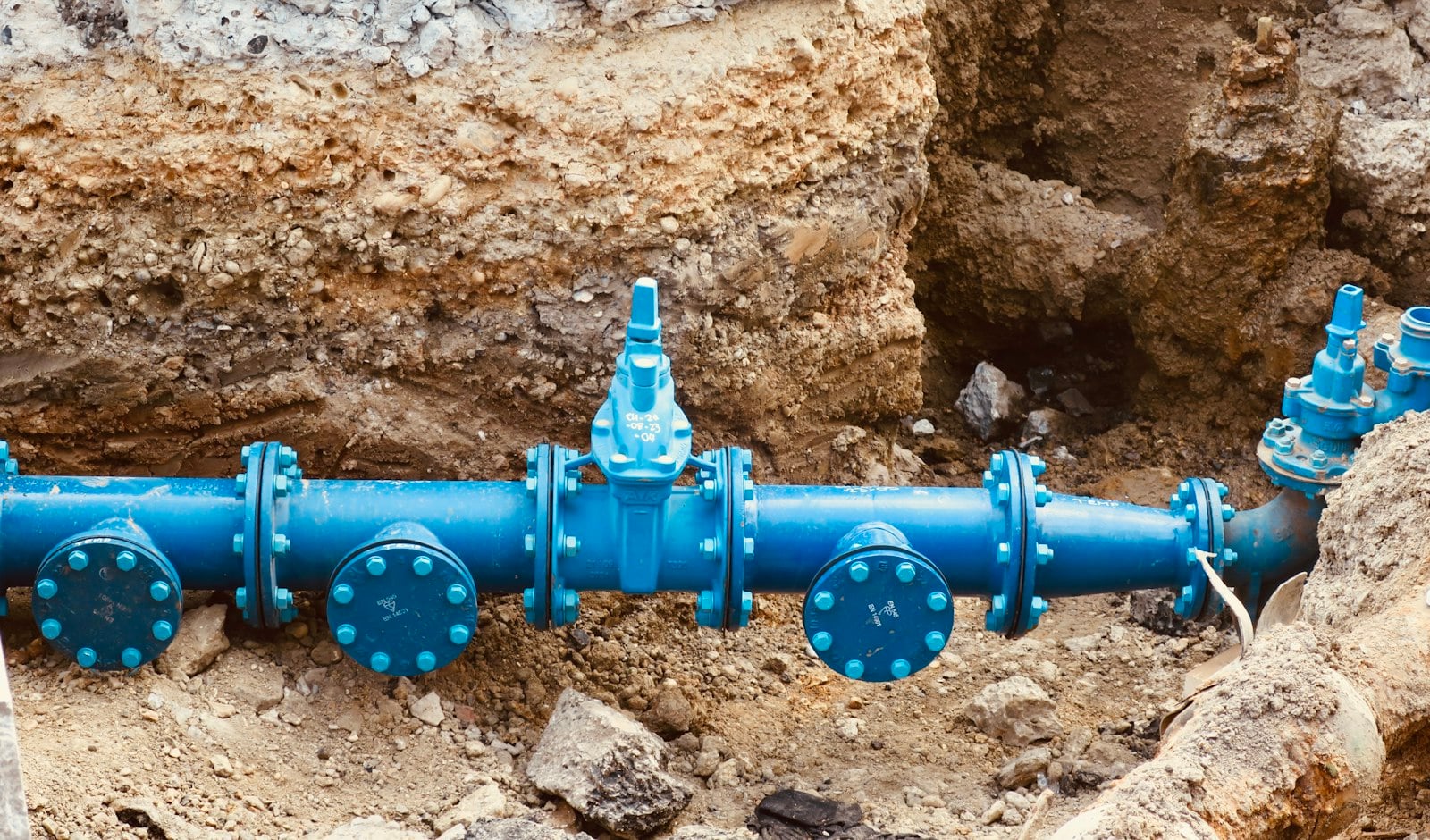
Nobody should buy a sewer repair on description alone. Ask the independent plumber to inspect before quoting so you can see the pipe for yourself.
Getting the line flowing so the house is usable again, and so the camera has a clear run. That is the emergency part of the job.
A camera run down the main shows roots, grease, a collapsed section, a belly holding water or a joint that has separated, and marks roughly where along the line it sits.
Where roots or heavy build-up are the cause, cutting and jetting restores the full diameter of the pipe instead of just punching a hole through the blockage.
A broken or separated section can often be dug and replaced at one point. A line that has failed along its length is a bigger job, so ask for both the scope and the price before anything is dug.
Two things account for most of it. The first is age and material. Houses across Dallas built before the 1980s typically have cast-iron drain lines, and after fifty or sixty years cast iron scales up inside, thins from corrosion and cracks at the joints. Clay tile is common on older laterals out to the street, and clay joints separate.
The second is soil and trees. Expansive clay lifts and drops the ground through each wet and dry cycle, pulling joints apart and putting sags in lines that used to fall evenly. Mature pecans, oaks and elms, thick on the streets of neighborhoods like Garland and the older parts of East Dallas, send roots straight into any joint that is weeping. Once roots are inside, they catch everything that passes.
If only one fixture is affected, start with drain cleaning instead. To work out which one you have, read clogged drain or sewer line problem. Ground movement that breaks drains also breaks supply lines, which is covered under slab leak repair, and you can call about a camera inspection any time.
Yes. Stop running water in the house, keep people and pets out of the affected rooms and call Dallas 24 Hour Plumber straight away. Sewage carries a real health risk, and the longer the line stays blocked the further the contamination spreads into flooring and cabinetry.
What the camera finds, how deep the line runs, how long the damaged section is and what is above it. A break under a lawn is far simpler than one under a driveway or a mature tree. Ask the independent plumber to show you the footage and quote clearing, spot repair and replacement separately where all three are realistic.
Roots do not usually break sound pipe. They find joints or cracks that are already weeping, grow in through the gap and then expand, which both blocks the line and widens the damage. Cutting them clears the line; keeping them out means repairing the pipe. See drain cleaning for the maintenance side.
Yes. A camera goes in through a cleanout, so the inspection itself requires no excavation, and locating equipment marks the depth and position of a problem from the surface. Digging only comes into it when a section actually has to be repaired or replaced.
Call and say how many fixtures are affected and whether anything has come back up.