Clearing the blockage
Cabling or hydro jetting through the closest suitable access point, chosen for the pipe material and what is blocking it, whether that is grease, soap, hair, roots or a lost object.
A drain that runs slow is telling you something. An independent plumber can clear kitchen, bathroom, laundry and floor drains; ask them to check why the line blocked in the first place so you are not calling again in a month.
One slow fixture is usually a local blockage in that trap or branch line. More than one fixture acting up at the same time points further down the system, toward the main drain. Skip the store-bought chemicals while you wait. They rarely clear a solid blockage, they sit in the trap, and they make the line unpleasant and unsafe to open.
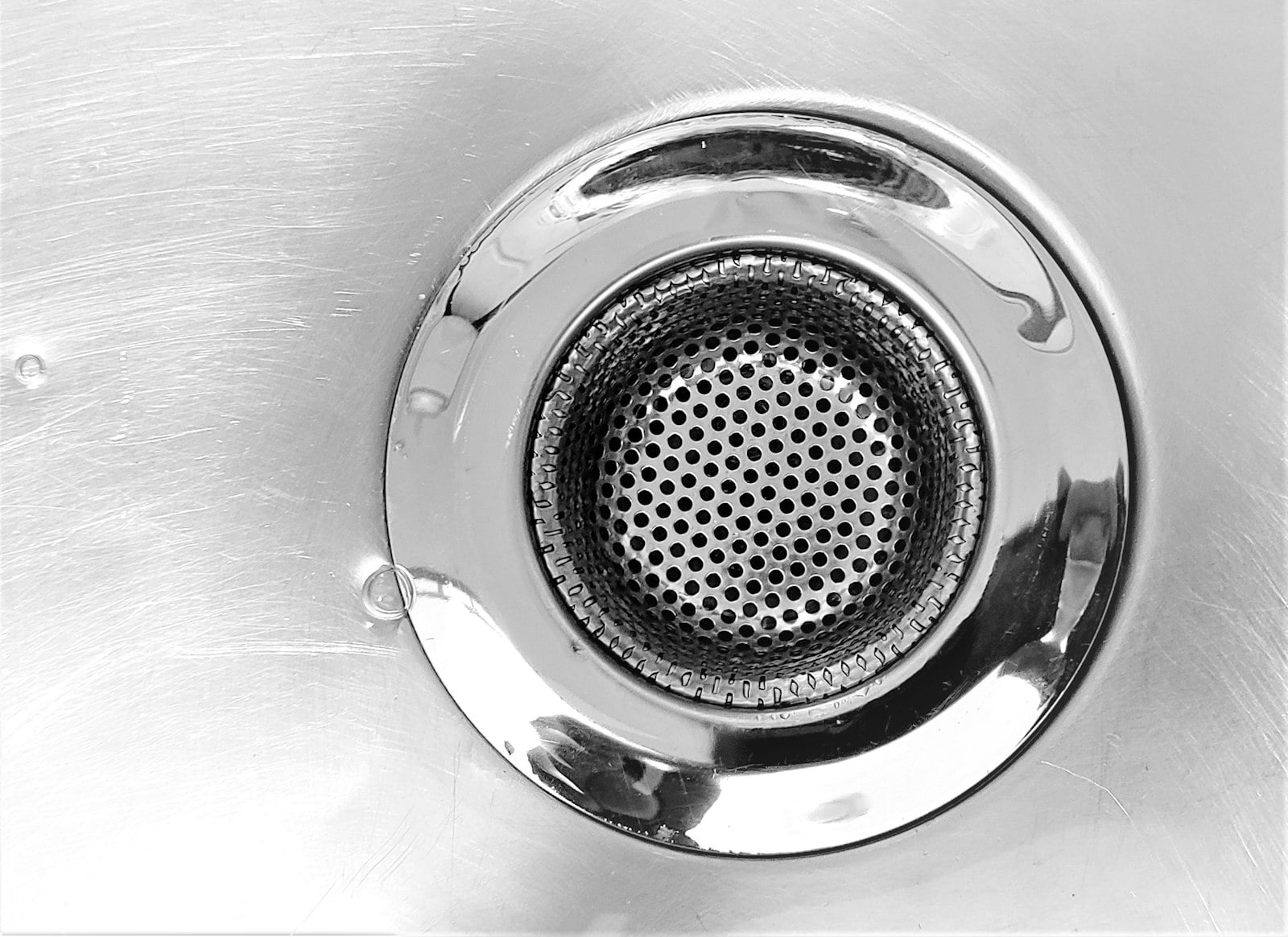
The right method depends on the pipe. Cast-iron drains in a 1960s Dallas house are treated differently from newer plastic lines, so ask the plumber which applies before starting.
Cabling or hydro jetting through the closest suitable access point, chosen for the pipe material and what is blocking it, whether that is grease, soap, hair, roots or a lost object.
Running plenty of water through the cleared drain to confirm it is genuinely open, not just draining past a partial blockage that will close again.
If a drain keeps blocking, a camera run shows whether the pipe has a belly, a crack, a root intrusion or a build-up of scale that cabling will never solve.
Grease, wipes, a failing section of old cast iron and tree roots all have different fixes. You get the cause, not just a clear drain.
Most calls end here: the line is open and it stays open. When it does not, the question becomes whether the pipe itself is the problem. Older Dallas neighborhoods still have plenty of original cast-iron drain lines, and after decades they scale up inside, crack at the joints or sag where the clay soil has moved under the house. Roots from the mature trees in areas like Lake Highlands find those cracks and grow into them.
At that point you are choosing between repeat cleaning, a spot repair or replacing a section of line. A camera inspection is what makes that an informed decision instead of a guess, so ask to see the footage.
If it is the kitchen sink and the disposal hums, jams or drips while it runs, start with garbage disposal repair before assuming the line is blocked. If everything in the house is backing up at once, the problem is probably past the branch lines: see sewer line repair, or read how to tell a clogged drain from a sewer line problem. You can also call about a drain cleaning visit or browse all plumbing services.
It depends on which drain it is, how the line can be reached and what is blocking it. A kitchen sink with an accessible cleanout is straightforward; a main line that needs a camera and a roof access is more involved. Ask the independent plumber to quote the job on site after looking at the access, and approve it before work starts.
Best not to. Those products often fail to move a solid blockage, they sit in the standing water, and they can damage older pipe and make the drain hazardous for whoever opens it next. A plunger on a single sink or toilet is fine. Beyond that, call Dallas 24 Hour Plumber rather than pouring anything else in.
Repeat blockages usually mean the pipe has a problem, not just the contents. A sag in the line, a cracked joint, roots growing through a seam or heavy scale inside old cast iron will all catch waste again and again. A camera inspection shows which it is. See sewer line repair for what happens next.
It depends on the independent provider and the property location, and blocked mains with sewage backing up are the most urgent. Say how many fixtures are affected when you call, because that changes both the urgency and the equipment the plumber brings.
Call and say which fixtures are slow and whether anything is coming back up.