No Hot Water? What to Check
Before you assume the water heater is finished, there are a few safe things worth checking. Dallas 24 Hour Plumber runs through them in order, and explains where the line is between a homeowner check and a job for a plumber.
- 24/7 Emergency Service
- Upfront Quotes
- Same-Day Availability
Is It the Whole House or One Fixture?
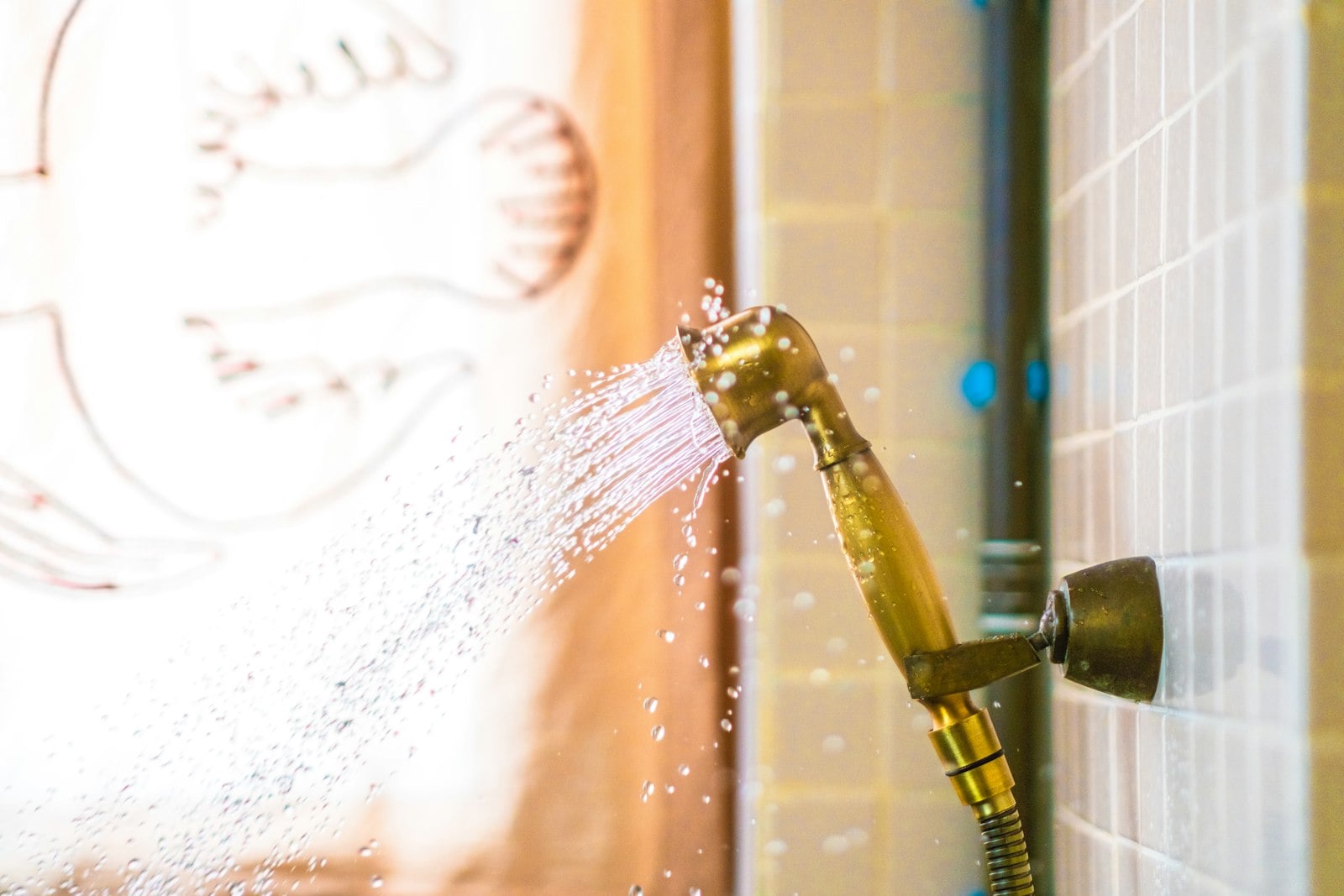
Start here, because it splits the problem in half. Run the hot tap at two or three fixtures in different rooms. If every one of them is cold, the water heater or its supply is the likely cause. If one shower is cold while the kitchen sink is fine, the heater is probably working and the problem is at that fixture: a failed mixing cartridge, a valve that has been knocked out of adjustment, or an anti-scald stop that has shifted. That is a fixture repair, not a heater job.
If your house has two water heaters, which is common in larger homes, cold taps in only part of the building usually points at one unit rather than a whole-system fault. Note which rooms are affected before you call; it often identifies the heater without anyone climbing into an attic.
Check the Power or the Gas
On an electric heater, look at the breaker panel. A tripped double-pole breaker for the water heater is worth resetting once. If it trips again straight away, stop and call, because a breaker that keeps tripping is telling you something is wrong with the element or the wiring. Many electric heaters also have a reset button on the upper thermostat behind an access panel. Pressing it once is reasonable. If it keeps tripping, the thermostat or element has failed.
On a gas heater, check whether the pilot is lit if the unit has a standing pilot, and whether the gas control is still set to on. Relighting is something you can do only if the instructions are printed on the unit, you follow them exactly, and you smell no gas at all. If there is any gas odor, leave the building and call the gas utility from outside. A pilot that lights and then goes out repeatedly is usually a failed thermocouple, which is a plumber's part, not a homeowner's fix. Do not open the burner compartment or take the gas control apart.
Signs the Tank Itself Is the Problem
Look at the floor around the base of the unit. Water there is the finding that settles the question, because a tank leaking from its shell cannot be repaired. Rusty or cloudy water from the hot side only is a similar warning. Banging or popping while the unit heats means sediment has built up in the bottom, which is common with hard water and is usually a flush rather than a replacement.
Hot water that exists but runs out far too quickly is a different fault again. Sediment taking up volume, a broken dip tube sending cold water straight to the outlet, or a failed lower element on an electric unit will all shorten a shower dramatically. Those are repairs. Age is what turns them into a replacement conversation.
Tankless Units Behave Differently
A tankless heater that runs cold mid-shower, or cycles between hot and cold, is often protecting itself rather than failing. Scale from hard water coats the heat exchanger and the unit reduces output or shuts down. Most display an error code, so write it down before you call; it tells the plumber a great deal. Descaling is routine maintenance on these units in this part of Texas, and it is frequently all that is needed. What is not a homeowner job is opening the unit, clearing a vent or adjusting gas pressure.
Water Heaters in Dallas Homes
Hard water is the common thread here. Mineral content leaves scale in tanks, on elements and inside tankless heat exchangers, and it is behind a large share of the no-hot-water calls across the city. Where the heater sits matters too. Older houses often have the unit in a garage or a utility closet, which is forgiving if it leaks. A lot of the housing built from the 1960s onward puts it in the attic instead, above finished ceilings, where a failure damages far more than it does at ground level. That changes when replacement becomes the sensible call rather than another repair. Our Garland plumbing page covers what that looks like in the established suburbs east of the city.
Arrange an Inspection
If the safe checks above have not explained it, the next step is a proper diagnosis rather than buying parts hopefully. Dallas 24 Hour Plumber tests the unit, tells you which component failed and gives you the repair price, along with a replacement price where both make sense. Start with water heater repair, weigh the options on our repair or replacement guide, or request a visit. If you have found water pooling around the unit, read leak detection and repair as well, since a nearby supply line can be the real source.