How to Snake a Toilet in Dallas: Safe Steps
Here is how to snake a toilet in a Dallas home: use a toilet auger (also called a closet auger), set its curved tip in the drain opening, feed the cable in while turning the handle, then pull it back and test with a partial flush. Most clogs that a plunger cannot clear come out this way.
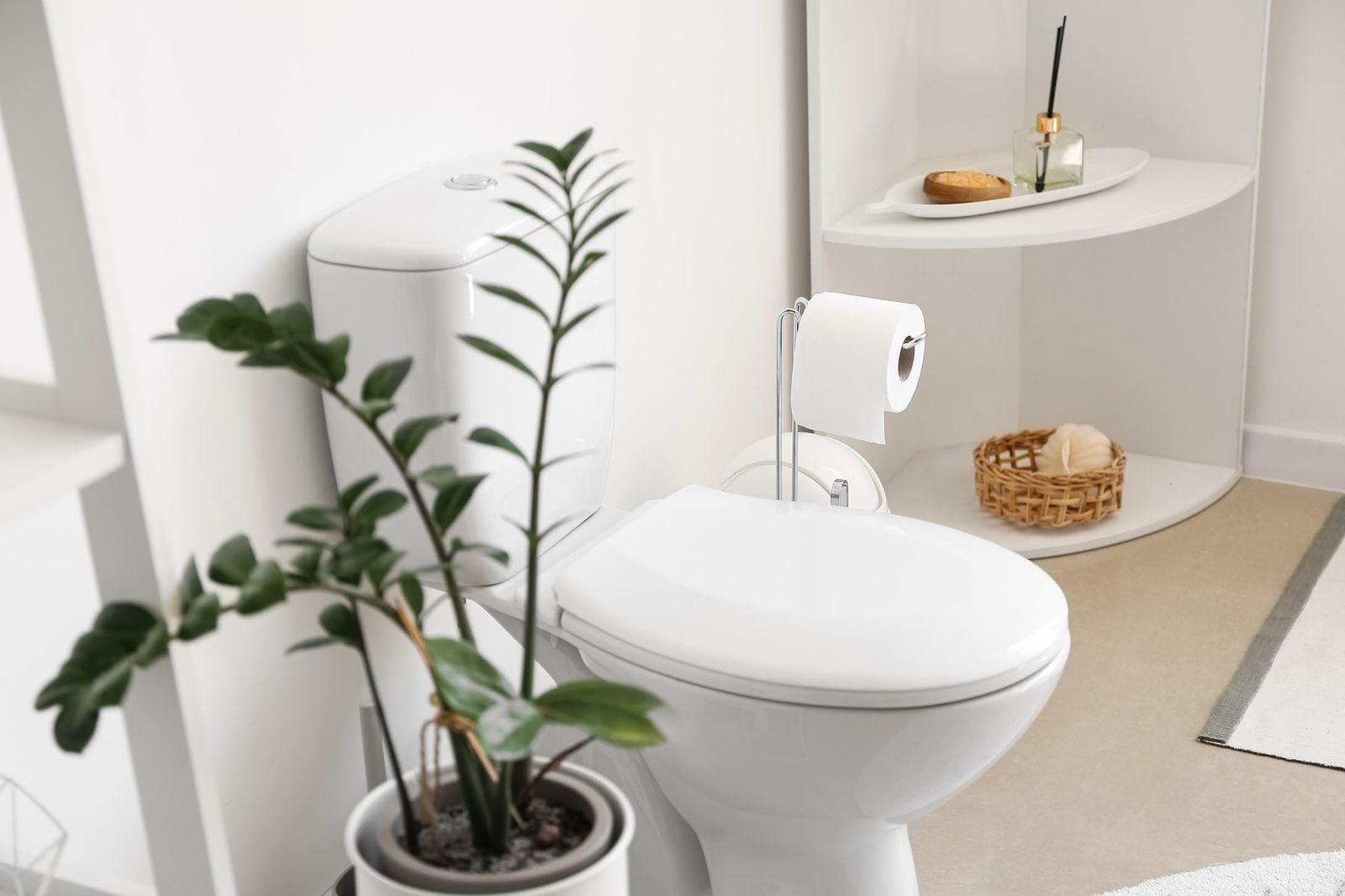
- Use a toilet auger with a rubber or vinyl sleeve. A regular drain snake can scratch the porcelain bowl.
- Try a plunger first. Snake the toilet only when plunging does not clear the clog.
- Never pour chemical drain cleaner into a toilet before you snake it. It can splash back on you and the tools.
- If more than one drain in the house backs up at the same time, the problem is likely past the toilet, so call for help instead of snaking.
- Dallas Water Utilities says most homes have a private cut-off valve, typically near an outside faucet close to the house.
What to do first
- Stop flushing. If the bowl is close to the rim, lift the tank lid and push the flapper closed, then turn the shut-off valve behind the toilet clockwise.
- Lay old towels around the base and put on rubber gloves and eye protection.
- If the bowl is very full, bail some water into a bucket so the auger does not push it over the rim.
How to snake a toilet: what are the basic steps?
The basic steps for how to snake a toilet are simple: put the auger tip in the drain opening, crank the handle to feed the cable through the trap, work it back and forth when you feel resistance, then pull it out and test. A toilet auger is built to reach the clog without scratching the bowl.
- Pull the cable back. Retract the cable so only the curved tip sticks out of the sleeve.
- Seat the tip. Set the bent end of the sleeve in the bottom of the bowl, pointed into the drain opening. Most toilets curve toward the back.
- Feed and turn. Push the handle down slowly while you turn the crank clockwise. The cable will follow the curve of the trap.
- Work the clog. When it stops, keep turning and push gently. You are trying to break up the clog or hook it, not force it.
- Pull back while turning. Retract the cable slowly, still turning, so anything hooked on the tip comes with it.
- Test. Turn the water back on and do a partial flush by lifting the flapper a little, ready to close it if the level rises.
If the water still rises after two or three tries, stop. Call (469) 393-0071 to be connected with a local provider.
Can you use a regular drain snake on a toilet?
You can, but it is not a good idea. A regular drain snake has a bare metal cable that can scratch or stain the porcelain, and it tends to coil up in the toilet's trap instead of moving through it. A toilet auger has a protective sleeve and a bent tip made for the toilet's curve.
A small handheld drain snake also may be too short or too thin to grab a solid toilet clog.
What are the common myths about snaking a toilet?
The most common myth is that snaking a toilet is risky or only for pros. In truth, a toilet auger is one of the safer DIY plumbing tools when you use it gently. The real risks come from using the wrong tool, using force or skipping the warning signs of a bigger drain problem.
- Myth: Any snake works on a toilet. Fact: A toilet auger with a sleeve protects the bowl. A bare drain snake can leave marks.
- Myth: Pour drain cleaner in first to help the snake. Fact: Chemical cleaners can sit in the bowl, splash during snaking and are hard on some pipes.
- Myth: Push harder if it gets stuck. Fact: Force can wedge a hard object deeper or crack the porcelain. Turn and ease it instead.
- Myth: If the snake goes through, the problem is fixed. Fact: If the toilet clogs again soon, the clog may be further down the line.
Need help now? Call to be connected with a local provider in Dallas who can check availability for your address.
Should you plunge or snake the toilet first?
Plunge first. A flange plunger, the kind with the extra rubber sleeve on the bottom, clears most soft clogs from paper and waste. Snake the toilet when plunging does not work, or when you know a solid object such as a toy, a phone or a toothbrush went down.
If you know an object fell in, skip the plunger. Plunging can push a hard item deeper into the trap, where it is harder to reach. A toilet auger can often hook it and pull it back out instead.
What if the toilet auger will not go through?
If the toilet auger will not go through, the clog may be a hard object stuck in the trap, or the tip may be caught on the curve. Pull it back, reseat the tip so it points into the drain, and try again with slow turns. Do not force it.
If the cable reaches its full length and the water still will not drain, the blockage is probably past the toilet. That points to the branch drain or the main sewer line. At that point a toilet auger is the wrong tool, and it is time to stop and get help.
How do you know the clog is past the toilet?
The clog is likely past the toilet if other drains act up too. Look for a tub or shower that fills with water when you flush, gurgling sounds from other drains, or several fixtures draining slowly at once. These are signs of a main line or sewer line problem, not a toilet clog.
- Water comes up in the tub or shower when the toilet flushes.
- Water backs up from a floor drain or cleanout outside.
If you see these, stop using the water and read about clogged drain or sewer line problems.
When should you call instead of snaking it yourself?
Call when the auger does not clear the clog after a few tries, when more than one drain is backing up, when water is leaking at the base of the toilet, or when the bowl is cracked. Also call if sewage has spilled onto the floor, since cleanup and drying matter as much as the clog.
Call (469) 393-0071 and you will be connected with a local provider who can look at the toilet and the drain line.
What happens during the visit?
A local provider starts with an inspection. They check the toilet, ask what was flushed, look at the other drains in the house and may run a longer auger or a drain camera if the clog seems to be past the toilet. Then they explain your options, such as clearing the trap, pulling the toilet to remove an object, or cleaning the main line.
You should get a written quote before any work starts. Ask what is included, whether the toilet may need to be pulled and reset, and what they found in the line. Timing depends on the job and the provider's schedule, so ask what to expect for your address.
What should Dallas homeowners know before snaking a toilet?
Dallas homeowners should know where the main water shut-off is before they start working on a clogged toilet. Dallas Water Utilities says most homes have a private cut-off valve, typically near an outside faucet close to the house, and older homes may have a buried valve with an L-shaped iron handle. That is worth finding ahead of time in older parts of the city like Oak Cliff and Lake Highlands, where the valve behind a toilet can be stiff.
Texas law states that a property owner is not required to be licensed to perform plumbing in the property owner's homestead, so snaking your own toilet is a normal DIY job. A city may still require a permit for bigger work. The Texas State Board of Plumbing Examiners (TSBPE) advises asking the city's plumbing inspection department whether a job needs a permit and inspection, and its public license search lets you look up a plumber before you hire one.
If a clog causes an overflow, the Texas Department of Insurance says most homeowner and renters policies cover sudden and accidental water damage, such as a toilet overflow, but usually won't cover damage from gradual leaks or seepage. Coverage depends on each policy, so check yours and document everything. Whether you live in Dallas, Irving or Garland, Call (469) 393-0071 to be connected with a local provider.
Related pages
Questions people ask
How do I snake a toilet myself?
To snake a toilet yourself, set a toilet auger's tip in the drain opening, crank the handle while you feed the cable in, then pull it back while turning. Test with a partial flush and stop if the water keeps rising.
What is the difference between a toilet auger and a drain snake?
A toilet auger has a protective sleeve and a bent tip made to follow the toilet's curve without scratching the bowl. A drain snake has a bare cable meant for sinks and tubs.
Can I use a regular drain snake on my toilet?
It is not recommended. A bare drain snake can scratch the porcelain and often coils up in the trap instead of reaching the clog.
Is it safe to snake a toilet without damaging it?
Yes, if you use a toilet auger and go slowly. Damage usually comes from bare metal cables or pushing too hard.
Should I plunge or snake my toilet first?
Plunge first with a flange plunger. Snake the toilet if plunging does not work or if you know a solid object went down.
Why won't the toilet snake go all the way in?
The tip is often caught on the curve of the trap, or a hard object is blocking it. Pull back, reseat the tip and turn slowly instead of forcing it.
How far down should a toilet auger go?
A toilet auger only reaches through the toilet's trap and a little past it. If the cable is fully extended and the clog is still there, the blockage is likely further down the drain line.
What if snaking the toilet doesn't work?
If snaking does not work after a few tries, stop and call for help. The clog may be past the toilet, or an object may need the toilet pulled to remove it.
Can I put drain cleaner in the toilet before snaking it?
No. Chemical drain cleaner can splash on you during snaking and is hard on some pipes. Use mechanical tools like a plunger or auger instead.
How do I get a toy or phone out of a toilet?
Do not plunge, because that can push the object deeper. Try a toilet auger to hook it and pull it back, and call if it will not come out.
Why does my toilet keep clogging after I snake it?
A toilet that keeps clogging after snaking may have a partial blockage further down the line or an object stuck in the trap. Repeat clogs are a good reason to have the drain checked.
How do I know if the clog is in the main sewer line and not the toilet?
It is likely a main line problem if other drains back up or gurgle when you flush. Water rising in the tub or shower is a common sign.
Do I need to turn off the water before snaking a toilet?
It is a good idea. Turn the shut-off valve behind the toilet clockwise so a test flush cannot overfill the bowl.
What should I do if my toilet is about to overflow?
Lift the tank lid and push the flapper down to stop water from entering the bowl, then turn off the valve behind the toilet. Do not flush again until the clog is cleared.
Where is the main water shut-off in a Dallas house?
Dallas Water Utilities says most homes have a private cut-off valve, typically near an outside faucet close to the house. Older homes may have a buried valve with an L-shaped iron handle.
Do I need a license to snake my own toilet in Texas?
No. Texas law says a property owner does not need a plumbing license to do plumbing in their own homestead, though a city may still require permits for bigger jobs.
Will homeowners insurance cover damage from a clogged toilet overflow in Texas?
It may, depending on your policy. The Texas Department of Insurance says most policies cover sudden and accidental water damage like a toilet overflow, but usually not gradual leaks, so check your policy and document everything.
Who can I call in Dallas if I can't unclog my toilet?
Call (469) 393-0071 to be connected with a local provider. They can inspect the toilet and drain line and give you a written quote before any work starts.
Talk to someone about your plumbing problem
Call to be connected with a local provider who can check availability for your address and explain the next step.