How to Install a Toilet in Dallas Homes
Here is how to install a toilet in a Dallas home: shut off the water, drain and remove the old toilet, check the floor flange, set a new wax ring, lower the bowl straight down, bolt it level, reconnect the supply line and test for leaks. If the flange or floor is damaged, call to be connected with a local provider.
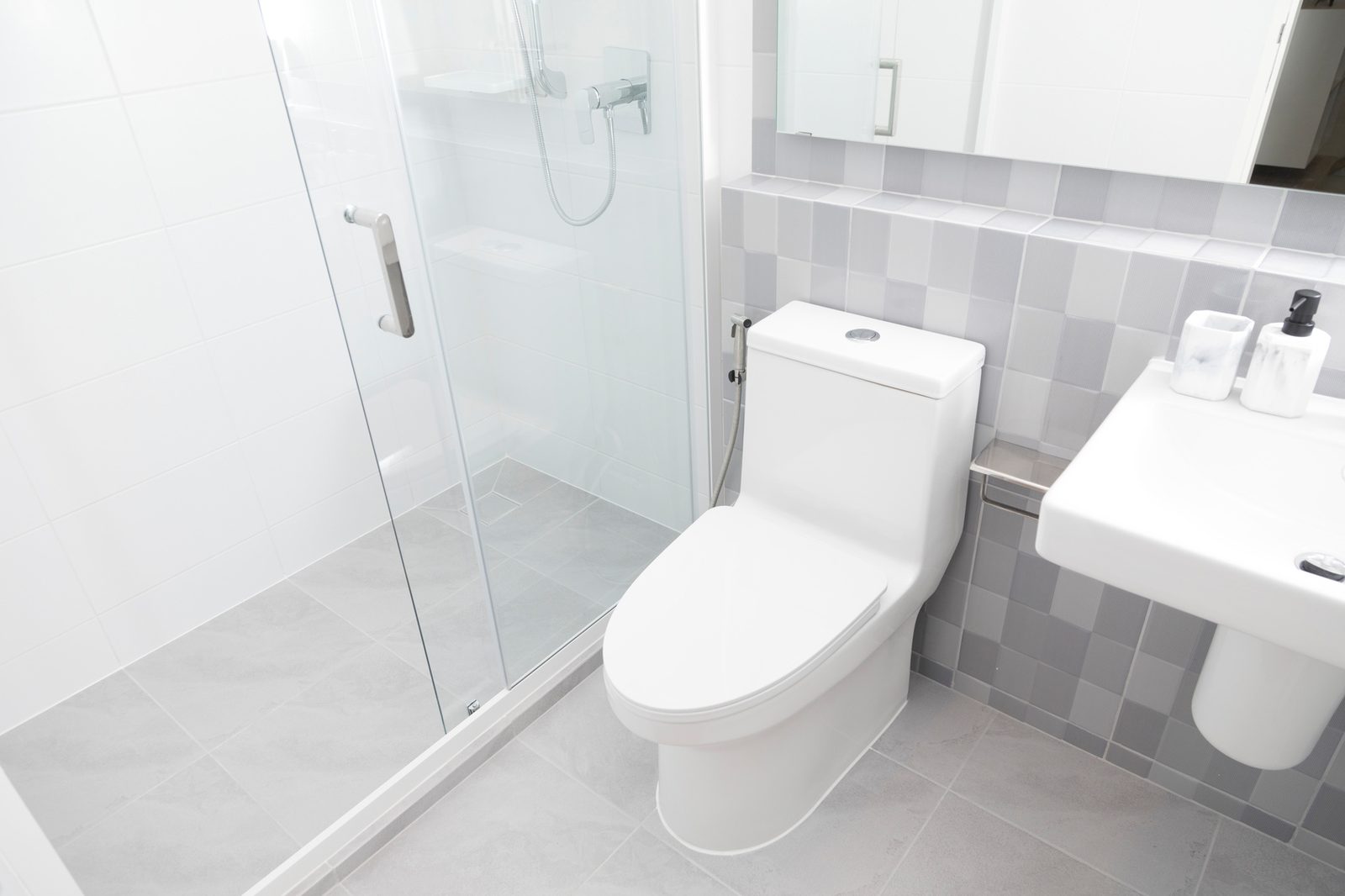
- Measure the rough-in (wall to the center of the floor bolts) before you buy a new toilet.
- Always use a new wax ring or wax-free seal. A used seal will not reseal.
- A cracked or rusted flange, soft floor or rocking bowl is a sign to stop and get help.
- Texas law lets a property owner do plumbing on their own homestead without a plumbing license, but a city may still require a permit.
- Dallas Water Utilities says most homes have a private cut-off valve, typically near an outside faucet close to the house.
What to do first
- Turn off the toilet's shut-off valve behind the bowl. If it will not close, shut off the home's main valve.
- Flush to empty the tank, then sponge or towel out the water left in the tank and bowl.
- Lay down old towels, wear gloves and keep the area clear. A toilet is heavy and porcelain can crack and cut.
- Stuff a rag in the open drain pipe after the old toilet comes off to block sewer gas and keep bolts from falling in.
What do you need before you start?
Before you start, you need the new toilet, a new wax ring or wax-free seal, new closet bolts, a new supply line, a putty knife, an adjustable wrench, a level, a bucket, sponges and old towels. Having a helper is smart, because a toilet is heavy and awkward to lift.
Measure the rough-in first. That is the distance from the finished wall to the center of the bolts that hold the toilet to the floor. Most homes use a standard rough-in, but some older houses do not, and a toilet with the wrong rough-in will not fit. Also check the supply line connection and the space beside the toilet for the new tank.
- Wax ring vs wax-free seal: both work when installed correctly. Wax-free seals can be repositioned, which helps first-timers.
- Extra-thick ring: may be needed if new tile raised the floor above the flange.
- Shims: plastic toilet shims help steady a bowl on a slightly uneven floor.
How to install a toilet: what are the steps?
The basic steps for how to install a toilet are: remove the old toilet, clean and inspect the flange, install new bolts and a new seal, set the bowl, tighten it evenly, attach the tank if it is separate, connect the supply line and test. Take each step slowly.
- Remove the old toilet. Disconnect the supply line, take the caps and nuts off the floor bolts, rock the bowl gently to break the old seal and lift it straight up.
- Clean the flange. Scrape off all the old wax with a putty knife. Plug the drain with a rag while you work.
- Check the flange. It should be solid, sit level with or slightly above the finished floor and be screwed down firmly.
- Install new closet bolts. Slide them into the flange slots so they stand straight up.
- Place the seal. Put the wax ring on the flange or on the outlet under the bowl, following the package. Remove the rag first.
- Set the bowl. Lower it straight down over the bolts in one motion. Do not slide or lift it again, or the wax seal can fail.
- Tighten evenly. Press down on the bowl, then snug the nuts a little at a time on each side. Overtightening can crack porcelain.
- Attach the tank and supply line. Install the tank per the maker's directions, then connect the new supply line hand-tight plus a small turn.
- Test. Turn the water on slowly, let the tank fill, flush several times and check every joint and the base for drips.
How do you know if the toilet flange needs repair?
The flange needs repair if it is cracked, broken at the bolt slots, rusted through, loose on the floor or sitting well below the finished floor. A bad flange is one of the most common reasons a new toilet leaks or rocks, so check it closely before you set the new bowl.
Repair rings and spacers can fix some flange problems. Other times the flange has to be replaced, which may mean cutting into the drain pipe. In most Dallas homes that pipe sits in a concrete slab, which makes the job harder. If you see a broken flange, a soft or stained floor or signs that water has been leaking for a while, stop and call (469) 393-0071 to be connected with a local provider who can look at the drain and floor before the new toilet goes in.
Need help now? Call to be connected with a local provider in Dallas who can check availability for your address.
How do you replace a toilet supply line safely?
Replace the supply line every time you install a new toilet. Shut the valve, hold a towel under the connection, unscrew the old line from the valve and the tank, and screw on the new braided line. Tighten by hand, then add a small turn with a wrench. Too much force can crack the plastic tank fitting.
Look at the shut-off valve while you are there. If it is crusty, stiff or drips around the stem, it may fail the next time you need it. A valve that will not close is a good reason to have a provider replace it before you start the toilet swap. A leaking valve or line is also covered in our toilet and faucet repair page.
Why is my new toilet leaking at the base?
A new toilet usually leaks at the base because the wax seal did not compress evenly, the bowl was shifted after it was set, the flange sits too low or the bolts were not tight enough. The fix is almost always to pull the toilet, scrape off the seal and start again with a new one.
Do not just add caulk to hide the leak. Water trapped under a toilet can soak into the subfloor or around the slab and go unnoticed. If water keeps appearing after a reseal, or you notice a musty smell or loose tile, ask for leak detection so the source is found. The Texas Department of Insurance notes that most policies usually won't cover damage from gradual leaks or seepage, so a slow leak is worth stopping early.
Why does my new toilet rock or wobble?
A new toilet rocks because the floor is uneven, the flange sits higher than the floor, or the bolts were tightened unevenly. A rocking toilet will break the wax seal over time and cause a leak, so it needs to be fixed right away.
Small gaps can often be fixed with plastic shims slid under the base, then trimmed and caulked. Do not keep tightening the bolts to stop the wobble, because porcelain cracks easily. If the bowl still moves, or the floor around it feels soft, the subfloor or flange may be the real problem.
When should you call instead of doing it yourself?
Call for help if the flange is broken, the drain pipe is damaged, the floor is soft, the shut-off valve will not close, the rough-in does not match your new toilet or you are moving the toilet to a new spot. Those jobs go past a simple swap and can mean drain or floor work.
It is also reasonable to call if you cannot lift a toilet safely, if you have had repeated clogs after a new install, or if you hear gurgling from other drains. Slow or gurgling drains can point to a line problem, covered in our drain cleaning guide. To be connected with a local provider, call (469) 393-0071.
What happens during the visit?
A local provider starts with an inspection. They look at the toilet, the flange, the shut-off valve, the supply line and the floor around the base, and check whether the drain is flowing well. Then they explain your options, such as a simple swap, a flange repair or a valve replacement.
You should get a written quote before any work starts. Ask what is included, whether hauling away the old toilet is part of the job and whether your city requires a permit. Timing depends on the job and the provider's schedule, so ask what to expect for your address.
What should Dallas homeowners know before installing a toilet?
Texas law states that a property owner is not required to be licensed to perform plumbing in the property owner's homestead. That covers your own home, not a rental or someone else's house. A city may still require a permit, and the Texas State Board of Plumbing Examiners (TSBPE) advises asking your city's plumbing inspection department whether a job needs a permit and inspection. Rules vary, so check with Dallas, Irving, Garland, Mesquite, Richardson or Grand Prairie depending on where you live.
Know where your main shut-off is before you start. Dallas Water Utilities says most homes have a private cut-off valve, typically near an outside faucet close to the house, and that older homes may have a buried valve with an L-shaped iron handle. That matters in older neighborhoods such as Oak Cliff, Highland Park and University Park.
Most homes in this part of Texas sit on concrete slabs. The National Association of Home Builders reports that 97.9% of new single-family homes in the West South Central census division were built on slab foundations in 2024. In a slab home the toilet drain runs through the concrete, so a damaged flange or drain can take more work to reach. The Blackland Prairie, home of the highly expansive Houston Black clay, extends from north of Dallas south to San Antonio, and those clays shrink and swell with changes in moisture.
If you hire help, TSBPE suggests getting the name of the company's Responsible Master Plumber and checking that the license is valid. Master Plumber license numbers begin with the letter M. Call (469) 393-0071 to be connected with a local provider in Dallas, Lake Highlands or nearby areas.
Related pages
Questions people ask
Can you explain how to install a toilet in simple steps?
Yes. Shut off the water, drain and remove the old toilet, scrape the old wax off the flange, add new bolts and a new seal, set the bowl straight down, tighten evenly, connect the supply line and test for leaks.
Can I install a toilet myself in Dallas?
Many Dallas homeowners can swap a toilet on their own. Texas law lets a property owner do plumbing on their own homestead without a plumbing license, but your city may still require a permit, so check with the local plumbing inspection department.
Do I need a permit to replace a toilet in Dallas?
It depends on the city and the job. TSBPE advises asking your city's plumbing inspection department whether a job needs a permit and inspection, and moving a toilet or changing the drain is more likely to need one than a simple swap.
How do I know what size toilet to buy?
Measure the rough-in, which is the distance from the finished wall to the center of the floor bolts. Buy a toilet made for that rough-in, then check the bowl shape and the space beside and in front of it.
Should I use a wax ring or a wax-free toilet seal?
Either can work when installed correctly. Wax rings are traditional and inexpensive, while wax-free seals can be repositioned if you need to lift the bowl, which can help on a first install.
Can I reuse the old wax ring when I put a toilet back?
No. A wax ring only seals once. Any time the toilet comes off the floor, scrape off the old wax and use a new ring or seal.
Why is water leaking from the bottom of my new toilet?
The seal usually did not compress evenly, the bowl moved after it was set, or the flange sits too low. Pull the toilet, clean the flange and reset it with a new seal instead of hiding the leak with caulk.
How tight should toilet bolts be?
Snug, not cranked down. Tighten each side a little at a time until the bowl stops moving, and stop there, because overtightening can crack the porcelain.
Why does my toilet rock after I installed it?
The floor may be uneven, the flange may sit too high, or the bolts may be uneven. Use plastic shims to steady it, because a rocking bowl will eventually break the seal and leak.
What do I do if the toilet flange is broken?
Stop before setting the new toilet. Some flanges can be fixed with a repair ring, but a badly broken flange may need replacement, and in a slab home that can mean drain work for a local provider.
Where is the main water shut-off in a Dallas house?
Dallas Water Utilities says most homes have a private cut-off valve, typically near an outside faucet close to the house. Older homes may have a buried valve with an L-shaped iron handle.
What if the shut-off valve behind my toilet will not turn off?
Do not force it. Shut off the home's main valve instead, and consider having the toilet valve replaced before you continue, since a stuck valve can break or leak.
How do I connect the water line to a new toilet?
Use a new braided supply line. Screw it onto the shut-off valve and the tank fill valve, tighten by hand, then add a small turn with a wrench without overtightening the plastic fitting.
Can a bad toilet install cause damage under the floor?
Yes. A leaking seal can let water soak into the subfloor or around the slab without being seen. The Texas Department of Insurance says most policies usually won't cover gradual leaks, so fix base leaks quickly.
Can I move my toilet to a different spot in the bathroom?
Moving a toilet means moving the drain, which in most Dallas slab homes means cutting concrete. That is a job to discuss with a local provider and your city's permit office.
How do I check a plumber's license in Texas?
Use the Texas State Board of Plumbing Examiners license search. TSBPE also suggests asking for the company's Responsible Master Plumber and notes that Master Plumber license numbers begin with M.
When should I call someone instead of installing a toilet myself?
Call if the flange or drain is damaged, the floor is soft, the shut-off valve fails or the rough-in does not match. In Dallas, call (469) 393-0071 to be connected with a local provider.
Talk to someone about your plumbing problem
Call to be connected with a local provider who can check availability for your address and explain the next step.